Why a Rookie K-Pop Group Cried Over a Song From 2008: Inside K-Pop's Remake Culture
RESCENE just won their first music show trophy — sobbing, bowing to fans — with a song older than some of their listeners. Here's the story behind K-pop's love of remakes, and why "wait, that's already 18 years old?!" became the internet's favorite reaction.
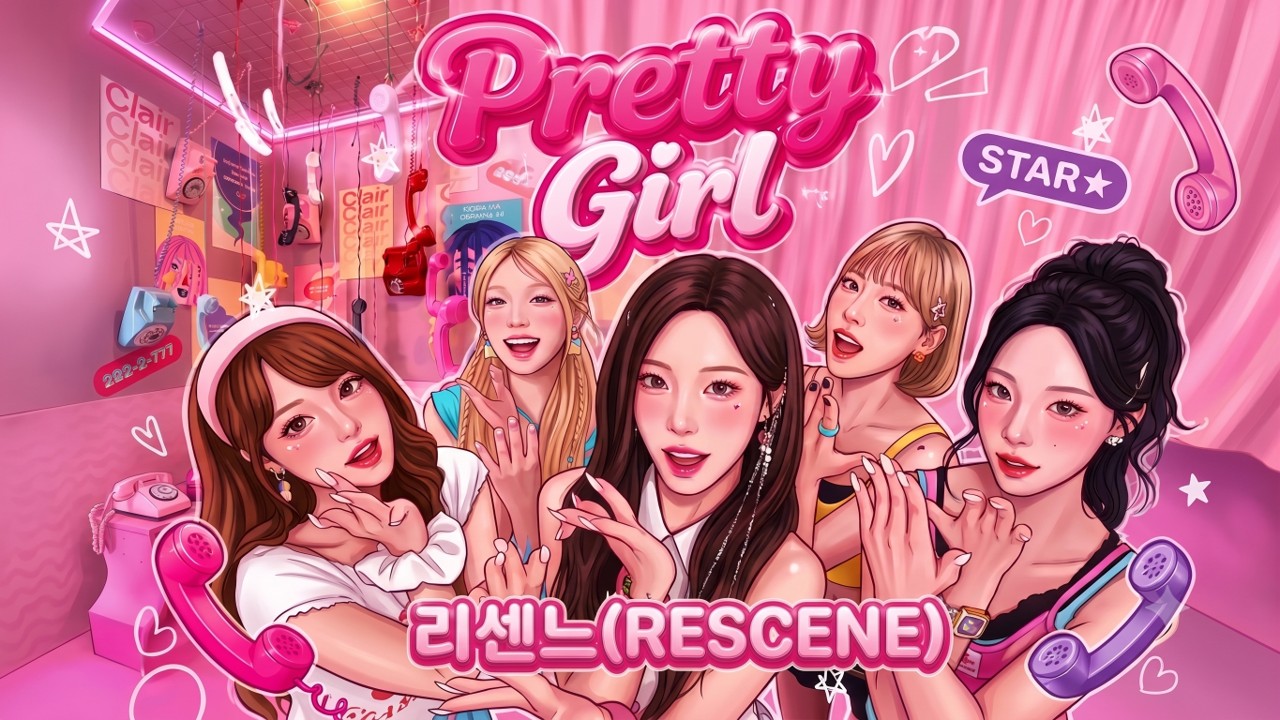
On July 14, 2026, a rookie girl group called RESCENE (리센느) won their first-ever music show trophy. When the win was announced, the members burst into tears, hugged each other, and dropped into a deep bow to thank their fans.
It was a huge moment — nearly three years in the making. But here's the twist that makes it a great story: the song they won with, "Pretty Girl," wasn't new. It was originally a hit by the group KARA back in 2008 — meaning some of the young fans streaming it today weren't even born when it first came out.
Welcome to one of K-pop's most fascinating habits: the remake.
The Underdog Who Cried: RESCENE's Story
If you've been following K-pop lately, you might already know RESCENE. They're the "small-agency" girl group who went viral earlier in 2026 through a goofy YouTube meme ("거제 야호"), which sent their 2024 song "LOVE ATTACK" on a dramatic chart comeback — a 역주행 (yeokjuhaeng), or "reverse run." (New to RESCENE? We covered their whole rise — and what "거제 야호" actually means — in CORTIS & RESCENE Explained.)
Riding that momentum, they released "Pretty Girl" on July 8, 2026 — a remake of KARA's beloved 2008 hit. And it worked: the song hit #1 on Melon's HOT100, and RESCENE charted five songs at once.
Then came the payoff. On the July 14 broadcast of The Show, RESCENE beat out bigger names to take their first-ever music show win. Leader Won-i, barely able to speak through tears, said the trophy felt like "proof that our efforts were not in vain." The group thanked their fandom, Remind, and bowed — then thanked their 선배 (sunbae, "seniors") KARA for letting them remake the song.
There was one more perfect touch: at their comeback stage on M Countdown, Nicole of the original KARA appeared to perform "Pretty Girl" alongside RESCENE — a literal handoff from one generation of idols to the next. ▶️ Listen: RESCENE's "Pretty Girl" · KARA's 2008 original
The Internet's Favorite Reaction: "Wait, That's 18 Years Old?!"
Here's where it gets funny — and a little existential.
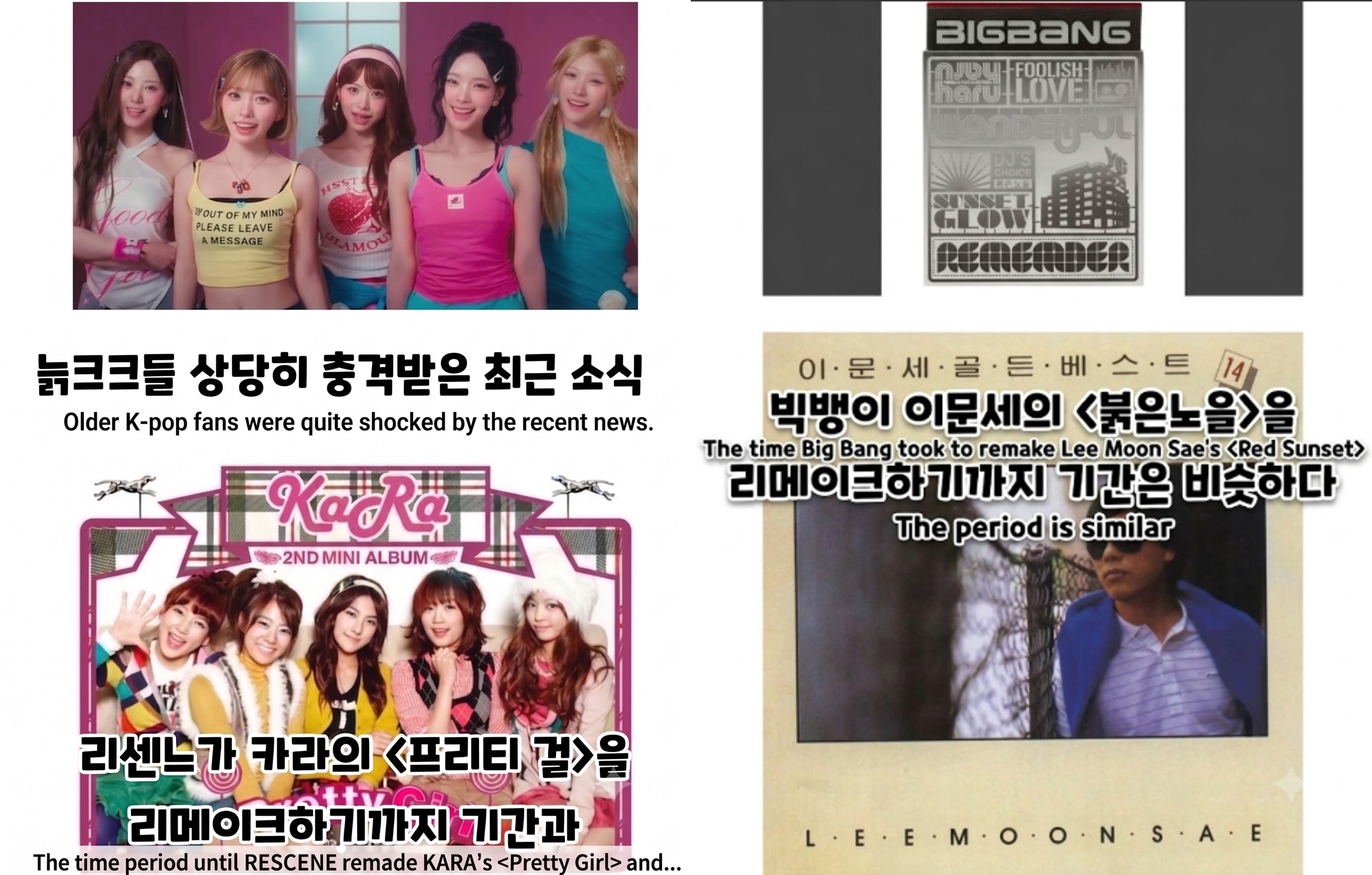
When RESCENE's "Pretty Girl" dropped, Korean millennials had a collective moment of shock. Not because of the song itself, but because of the math. Fans online started passing around a comparison that hit way too hard:
- Sunset Glow (붉은 노을) — original by Lee Moon-sae in 1988, remade by BIGBANG in 2008. A 20-year gap. ▶️ BIGBANG version · Lee Moon-sae original
- Pretty Girl — original by KARA in 2008, remade by RESCENE in 2026. An 18-year gap.
The punchline? For '90s kids, BIGBANG's "Sunset Glow" was their remake — the version that introduced them to an old classic. And now they've become the "old classic" generation. As one viral post put it: the kids born when KARA's "Pretty Girl" first came out are turning 18 this year.
Cue thousands of comments along the lines of "has it really been that long?" and "we're the nostalgic generation now." It's a small, funny reminder of how fast time moves — and how K-pop keeps quietly marking the years for everyone who grew up with it.
Fittingly, older fans reacting to all this even have a self-deprecating nickname: 늙크크 (neuk-keu-keu), "Old Creator Crew" — a play on the youthful "영크크 (Young Creator Crew)" meme from rookie group CORTIS. When millennials see a song from their youth getting remade for teenagers, calling themselves 늙크크 is basically their way of laughing at their own age. (Curious where 늙크크 and 영크크 come from? We explained it in CORTIS & RESCENE Explained.)
So Why Does K-Pop Remake Old Songs So Often?
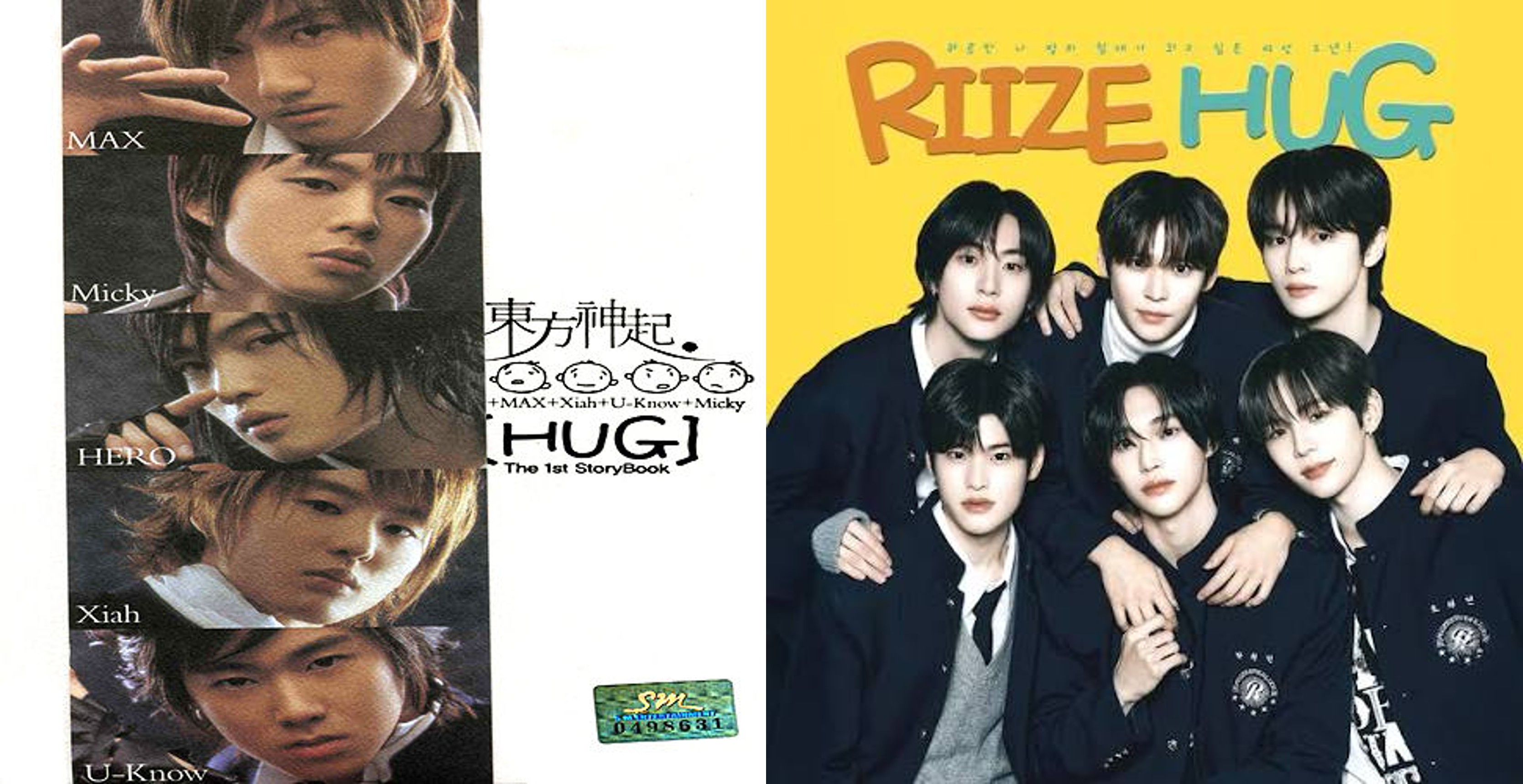
Remakes aren't a one-off in K-pop — they're a whole tradition. Some recent examples:
- RIIZE – "Hug" — a remake of TVXQ!'s 2004 debut song, released for SM Entertainment's 30th anniversary ▶️ RIIZE · TVXQ! original
- NCT DREAM – "Candy" — a remake of H.O.T.'s 1996 classic ▶️ NCT DREAM · H.O.T. original
- aespa – "Dreams Come True" — a remake of S.E.S.'s 1998 hit, produced with the legendary BoA ▶️ aespa · S.E.S. original
So what's the appeal? Industry-watchers point to the power of a familiar tune — what Koreans might call "아는 맛" (aneun mat), "a taste you already know." A remake arrives with instant recognition, then adds a new group's fandom, voice, and a fresh arrangement built for TikTok and Reels.
The real magic is that a good remake pulls in two audiences at once:
- Older fans get a wave of nostalgia for the original.
- Younger fans, who never heard the original, experience it as a brand-new song.
It's also a way for junior groups (후배, hubae) to pay respect to their seniors (선배, sunbae) — reintroducing a legendary song to a whole new generation. When Nicole walked out to sing with RESCENE, that entire idea was right there on one stage.
It's Not Just Music: Dramas Sell Nostalgia Too
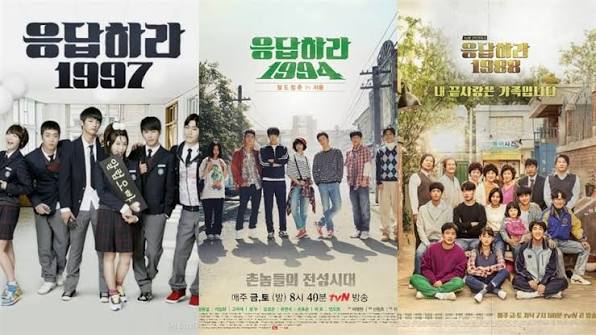
This love of "the familiar made new" goes way beyond the charts. The best example is Korea's legendary Reply (응답하라) drama series.
These shows are set in the past — 1988, 1994, 1997 — and part of their magic is the soundtrack, packed with beloved older songs, often re-sung by the young cast. In Reply 1997, for instance, the lead actors Seo In-guk and Jung Eun-ji released a duet remake of "All For You" (originally by the group Cool in 2000) that became a hit in its own right. ▶️ Seo In-guk & Jung Eun-ji version · Cool's original
The formula is the same as the music remakes: take something people already love, wrap it in a fresh voice and a modern moment, and let it hit both the people who remember it and the people discovering it for the first time. In Korea, nostalgia isn't just a feeling — it's one of the most reliable ways to connect generations.
Korean Vocabulary: Remake Edition
Korean | Romanization | Meaning |
리메이크 | ri-me-i-keu | Remake |
원곡 | won-gok | The original song |
명곡 | myeong-gok | A timeless masterpiece song |
세대 | se-dae | A generation |
추억 | chu-eok | A memory / nostalgia |
Sample sentence:
이 명곡을 리메이크하니까 원곡을 몰랐던 세대도 좋아하네. 추억이 새록새록!
"Now that they've remade this classic, even the generation that didn't know the original loves it. So nostalgic!"
That's exactly the kind of thing Korean listeners say when a remake bridges the years — one generation remembering, another discovering.
Old Song, New Feeling
There's something quietly beautiful about RESCENE crying over a song from 2008. It captures everything a great remake does: it honors the past, introduces it to the present, and lets two generations feel something together — one remembering, one discovering.
That's the real reason K-pop keeps reaching back. A remake isn't just a shortcut to a hit. It's a bridge — between KARA and RESCENE, between the fans who were there and the fans who weren't, between 2008 and now. And when it works, everyone gets to sing along.
Want to catch what makes these songs special — the lyrics, the nostalgia, the cultural references? At Seoul X On, our online Korean lessons connect the language to the K-pop and culture you already love, old hits and new. Try a free trial lesson and hear your favorite songs in a whole new way.