Text Hip, 랜덤깡 & the Minumsa Bread Craze — Korea's 2026 Trends, Explained
A $2 convenience-store bread that people track down by app and resell for the bookmark inside — because the bookmark, not the bread, is the real prize. Here's how one snack ties together three of Korea's biggest 2026 trends: text hip, blind-box mania, and K-pop photocards.
Imagine opening an app to check which convenience stores still have bread in stock, then traveling across town to grab it before it sells out. Sounds absurd — but in 2026 Korea, it's a full-blown craze. 🍞
The product is called 민음사빵 (Mi-neum-sa-ppang) — "Minumsa bread" — and understanding why everyone wants it opens a window into three of the hottest trends in Korea right now: 텍스트힙 (text-hip), 랜덤깡 (blind-box culture), and the K-pop 포카 (photocard) craze it all connects to. Let's unwrap it. 📚
🍞 First: What Is 민음사빵?
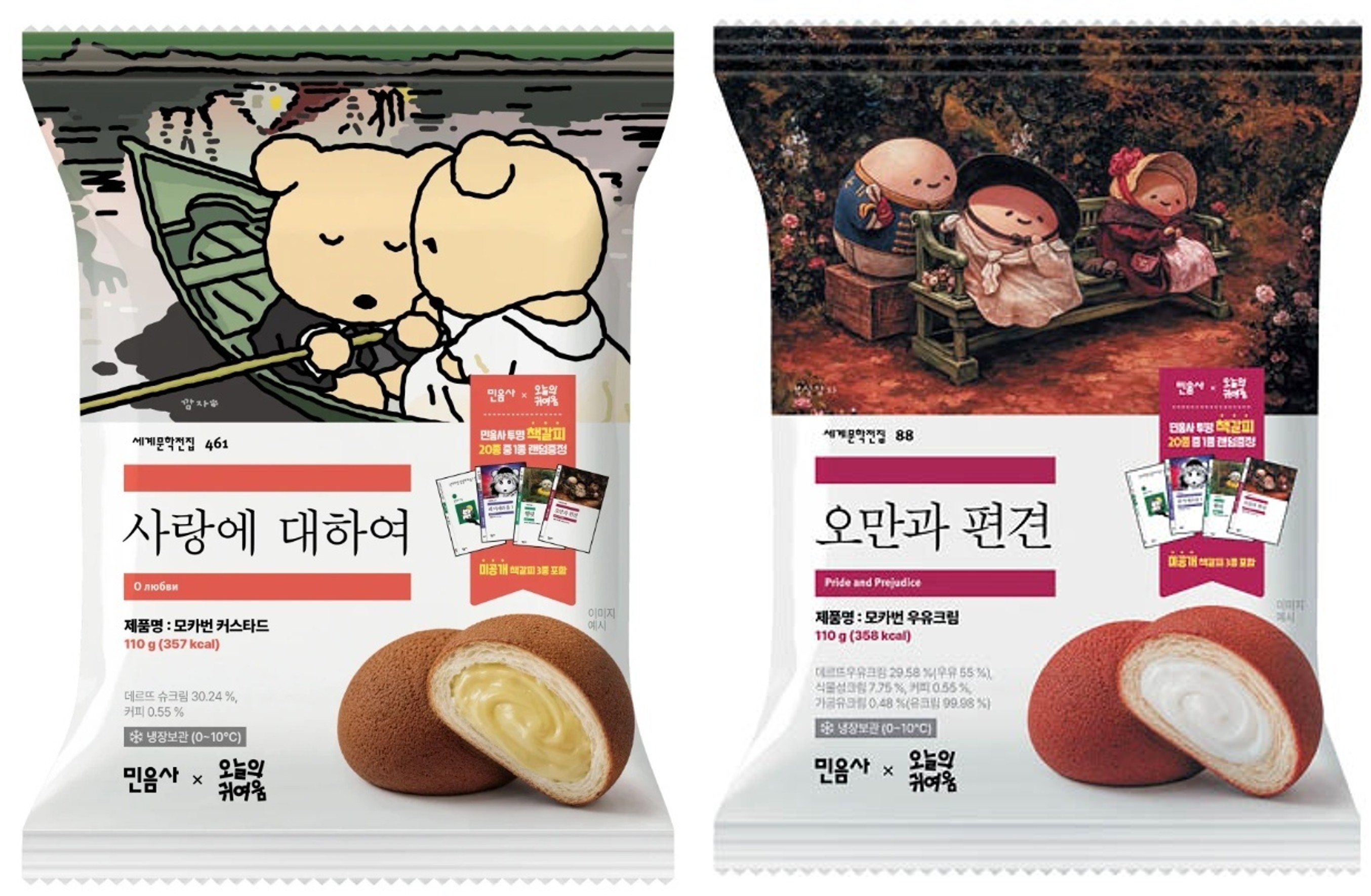
Here's the twist that makes this so Korean. 민음사 (Minumsa) isn't a bakery — it's one of Korea's most respected literary publishers, famous for its world-literature and poetry collections.
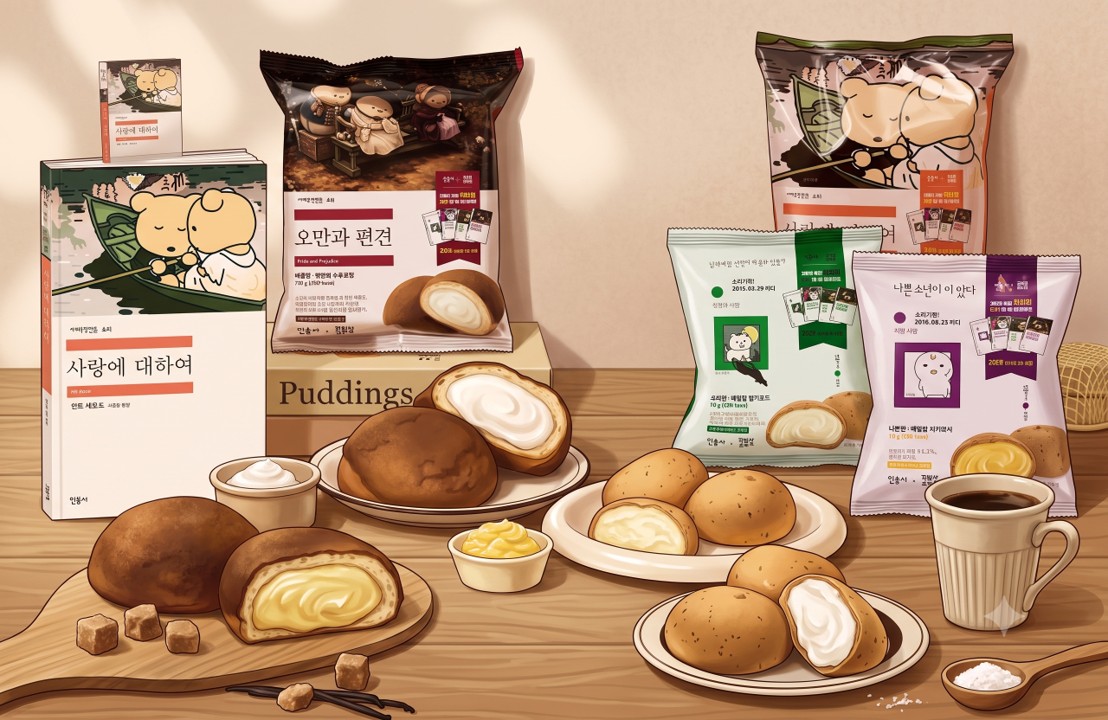
In August 2026, the convenience-store chain GS25 teamed up with Minumsa (and a cute character brand, 오늘의 귀여움) to release 문학빵 (mun-hak-ppang) — "literature bread." The packaging is wrapped in real Minumsa book covers, and each of the four is named after an actual literary work — including one you'll recognize instantly: Jane Austen's Pride and Prejudice (오만과 편견), alongside a Chekhov title and two Korean poetry collections. They're cheap, too: around ₩2,700–3,700 each.
The result? Within its first week, 민음사빵 sold around 200,000 units and swept the top 1–4 spots among all GS25 bread products — with stores selling out almost as fast as they could stock them. 🤯
But here's the thing — for most buyers, the bread is almost beside the point.
🔖 The Real Prize: A Random Bookmark
Tucked inside each 민음사빵 is a random bookmark (책갈피, chaek-gal-pi) — one of 20 different designs (15 from Minumsa's world-literature collection, 5 from its poetry line), the same designs that were a hit at the 2026 Seoul International Book Fair.
You don't get to choose which one you get. So collectors buy bread after bread chasing the design they want — and the rare bookmarks now resell for around ₩10,000 (more than the bread itself) on secondhand apps. For many, the bread is a bonus; the bookmark is what they came for.
This is where two very Korean trends collide. 👇
📚 Trend 1: 텍스트힙 (Text Hip) — Reading Is Cool Again

텍스트힙 (tek-seu-teu-hip) mashes together 텍스트 (text) + 힙하다 (to be "hip"/cool). It describes a movement where reading books and sharing writing has become a stylish, trendy form of self-expression — especially among people in their 20s and 30s.
A few things fueled it:
- Han Kang winning the Nobel Prize in Literature (2024) sent the whole country into a reading buzz.
- Idols and celebrities — BTS's RM, LE SSERAFIM's Huh Yunjin, IVE's Jang Won-young — are known for reading, and fans followed.
- #북스타그램 / #책스타그램 (bookstagram) turned reading into shareable, aesthetic content.
The numbers are striking: while overall adult reading rates in Korea have fallen, the reading rate for people in their 20s is around 75% — roughly double the adult average. The 2026 Seoul International Book Fair drew 150,000 visitors, about 70% of them in their 20s–30s. Books, bookstores, and even libraries have become genuine hangout spots. 📖
💡 Note: some Koreans debate whether 텍스트힙 is "real" reading or just photographing books for the aesthetic. Either way, it's undeniably made books cool again — and 민음사빵 rides that wave perfectly.
🎲 Trend 2: 랜덤깡 (Random-Kkang) — the Thrill of the Blind Box
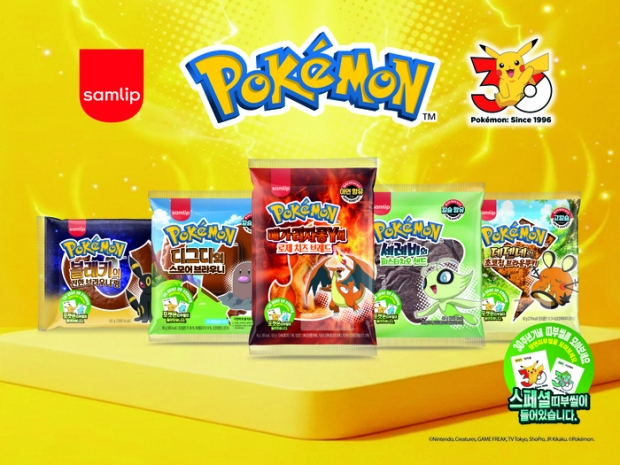
The other engine is 랜덤깡 (raen-deom-kkang) — Korea's blind-box culture. 랜덤 is "random," and 깡 comes from the slang for tearing open / cracking a package (think unboxing). It's the same thrill behind Labubu blind boxes and capsule-toy 가챠 (gacha).
The psychology is simple and powerful: not knowing what you'll get is more exciting than a guaranteed result. That uncertainty spikes dopamine, so people buy again and again chasing the one they want. As Korean commentators put it, you're not really buying an object — you're buying the experience of opening it. 🎁
There's a whole lineage to this in Korea. It arguably started with 포켓몬빵 (Pokémon bread) and its collectible 띠부씰 stickers — a nostalgic 2022 craze where rare stickers resold for many times the price of the bread. From there it grew into the global Labubu blind-box mania, and now it's evolved into something more grown-up: 문학 (literature) as the collectible. Same dopamine, classier packaging. 📚
💜 Trend 3: 포카 (Photocards) — the K-pop Version You Already Know
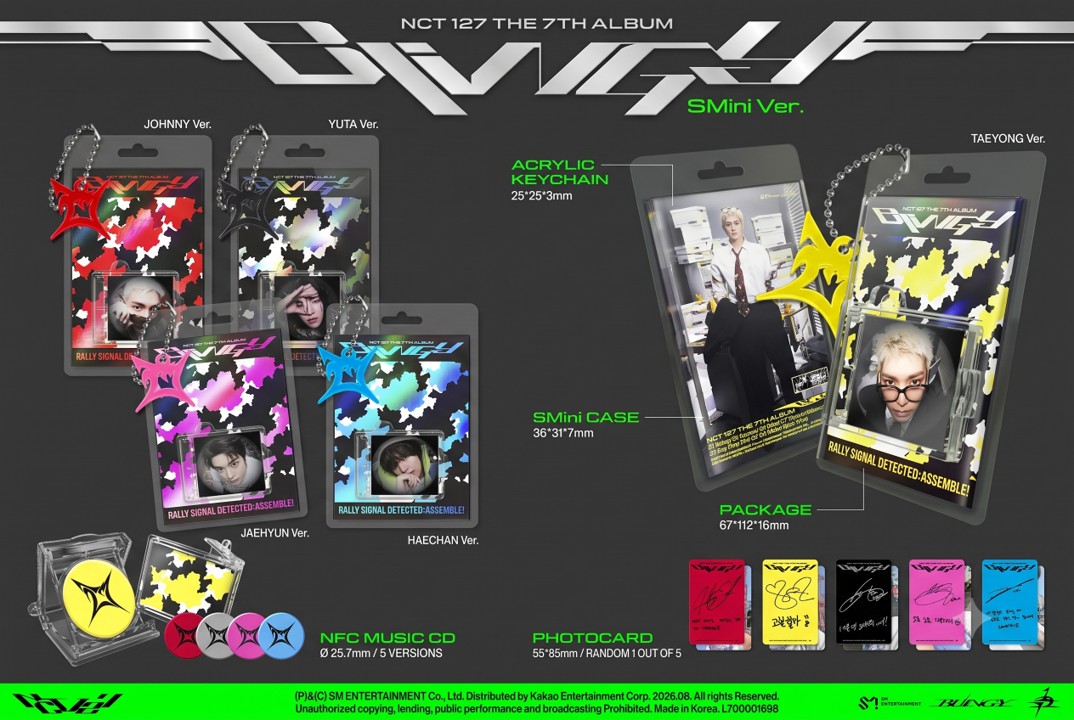
If you're a K-pop fan, you already live 랜덤깡. Photocards — 포카 (po-ka) in fan slang — are the random idol cards tucked inside albums, and they run on the exact same psychology. You don't get to pick which member you pull, so landing your bias (최애) feels like a mini lottery win.
Here's what really turbo-charges it: modern albums come in multiple versions, and the photocard is random inside each one — so you can't just buy "the version with my favorite member." Take NCT 127's 2026 album BLINGY: it shipped with six cover posters and several versions, and the photocard was one random card out of five per album. Want a specific member? You might have to buy several copies and hope. That's exactly why the 포카 교환 (photocard trading) world exists — fans trade duplicates at meetups and shops in Hongdae and Myeongdong, and rare cards resell for anywhere from $50 to over $1,000. 💜
민음사빵's random bookmarks are the literary cousin of pulling your bias's photocard — 20 designs means the "gotta collect them all" instinct kicks in hard. Text-hip aesthetics + random-box dopamine = a runaway hit.
📝 Korean Trend Vocabulary
Five words to sound plugged-in. Say each one out loud once — that's honestly how they stick.
| Korean | Romanization | Meaning |
|---|---|---|
| 텍스트힙 | tek-seu-teu-hip | Reading/text as a "hip," trendy aesthetic |
| 랜덤깡 | raen-deom-kkang | Opening blind boxes for the random item |
| 포카 | po-ka | Photocard (random idol card in an album) |
| 오픈런 | o-peun-reon | Running to a store the moment it opens |
| 품절대란 | pum-jeol-dae-ran | A "sold-out frenzy" |
🎓 Learn the Korean Behind the Trends — Free Trial Lesson
Words like 텍스트힙, 랜덤깡, and 오픈런 are the real, right-now Korean that textbooks never catch up to — and they're the fastest way to feel like you actually get what's happening in Korea.
At Seoul X On, our online lessons are built around real, current culture — the trends, slang, and context behind them. They're 1:1 live lessons with a real teacher. Sign up for a free account and your first 1:1 lesson is on us.
Try your free 1:1 trial lesson →
❓ Korea Trend Quick FAQ
What is 민음사빵? A GS25 × Minumsa "literature bread" launched in August 2026, wrapped in real book-cover designs. Each pack includes one of 20 random literary bookmarks — which is what most buyers are really after.
What does 텍스트힙 mean? 텍스트 (text) + 힙 (hip). It's the trend of treating reading and writing as cool, stylish self-expression, big among Koreans in their 20s–30s since Han Kang's 2024 Nobel Prize.
What is 랜덤깡? Korea's blind-box culture — buying sealed products to open them for a random item (bookmarks, toys, Labubu, etc.). The fun is in not knowing what you'll get. K-pop photocards (포카) — the random idol cards in albums — run on the same "pull your bias" thrill.
What are 포카 (photocards)? Small collectible cards of K-pop idols, inserted randomly inside albums. Since you can't choose which member you get — and albums come in many versions — fans buy multiple copies and trade duplicates, the same "random pull" thrill behind 민음사빵's bookmarks.
Would you hunt down a bread just for the bookmark inside? Which 민음사 cover would you want? Tell us in the comments — and if you're a K-pop fan, is chasing a random bookmark any different from pulling for your bias's 포카? 💬📚