Why K-pop Idols Suddenly Apologize Every August 15: Korea's Liberation Day, Explained for International Fans
Every August 15, some K-pop idols post something Japan-related, apologize, and international fans wonder why. Here's Korea's Liberation Day and the cultural code behind it.
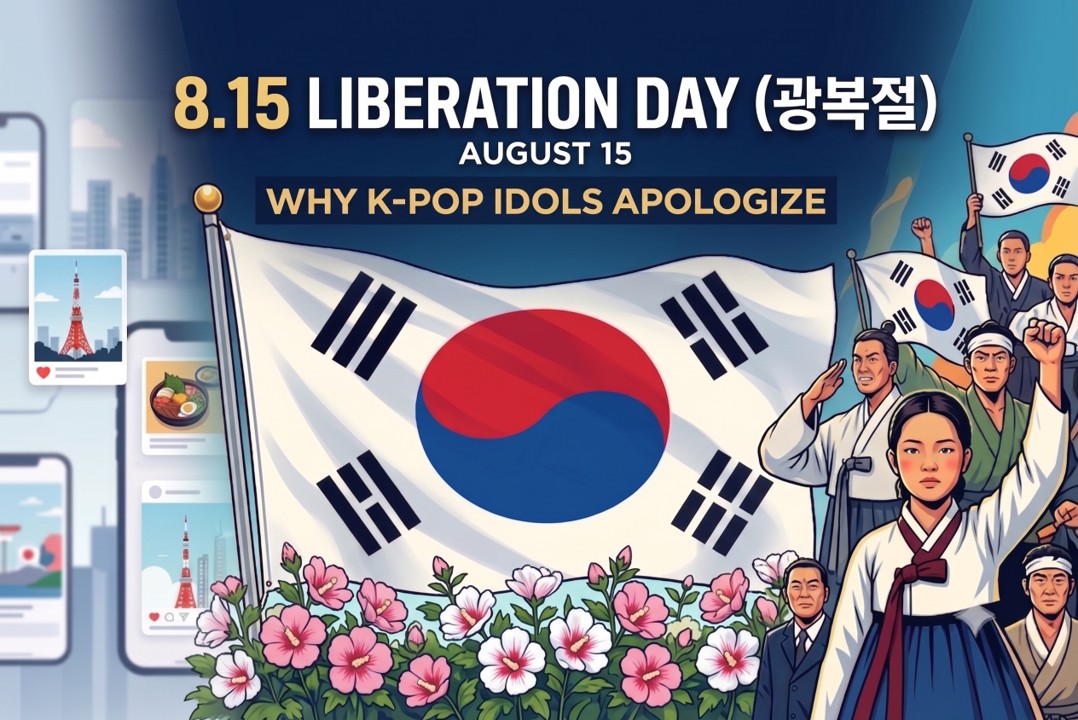
If you follow K-pop closely, you've probably wondered at least once: why do K-pop idols keep apologizing around this time of year? You're not alone — it's one of the most-searched questions international fans have about Korea.
It's mid-August. An idol posts a selfie, a story, a casual comment — maybe a photo taken in Japan, a few words of Japanese, a snippet of a Japanese song. Within hours, the post is deleted and an apology goes up: "I deeply regret my lack of historical awareness. I'll study harder and be more careful."
And across the world, international fans stare at their screens thinking: "...what actually happened? Why is this an apology-level event?"
It's a fair question — and every K-pop idol Japan controversy you've seen around this time traces back to the same thing. The answer isn't about that one idol, or even about Japan today. It's about a single date on the Korean calendar: August 15, 광복절 (Gwangbokjeol), Liberation Day. Once you understand what this day means, the whole thing suddenly makes sense.
Let's break it down — neutrally, and with the history that explains why the feelings run so deep.
🇰🇷 First: What Is 광복절 (Gwangbokjeol)?
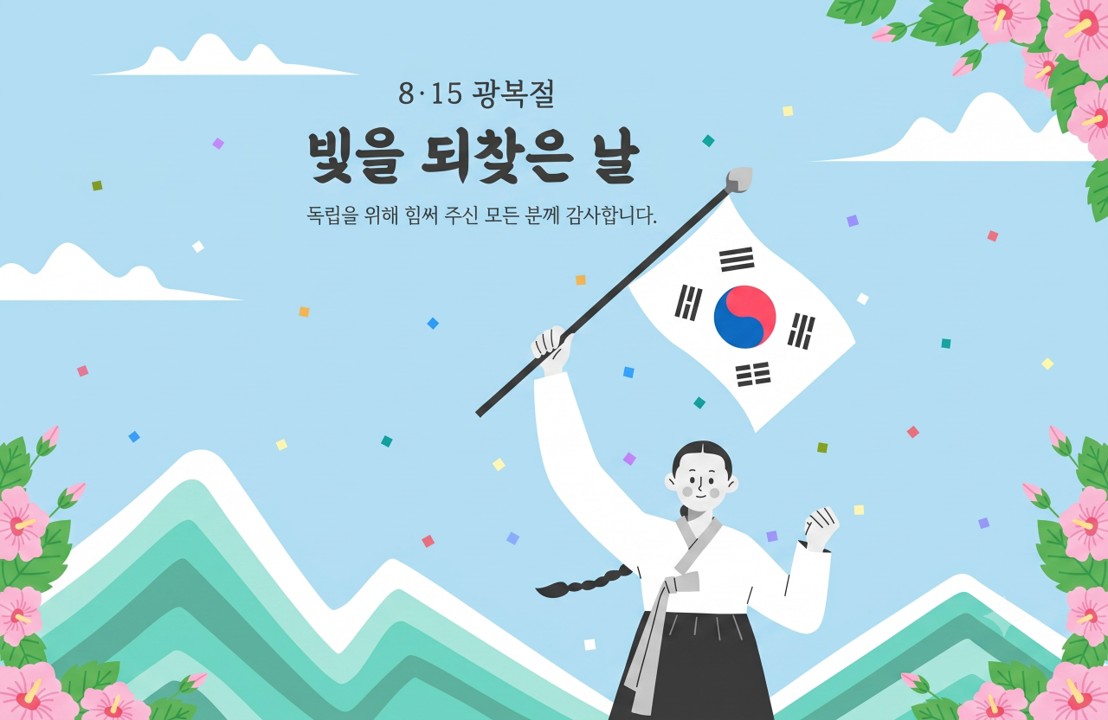
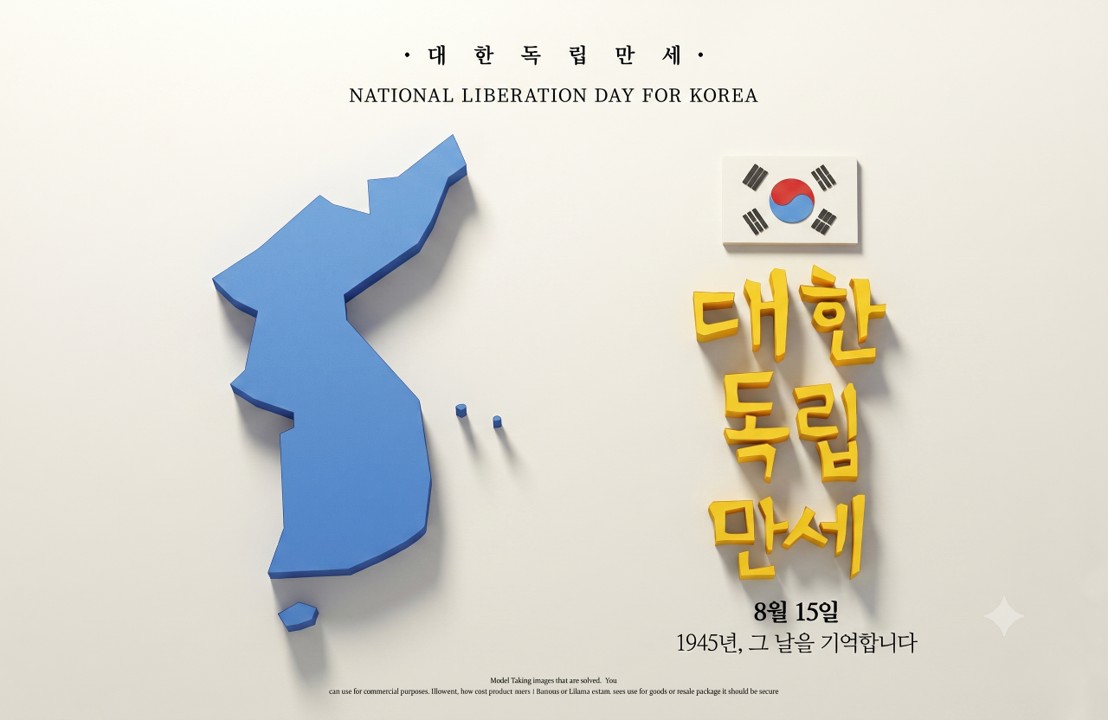
광복절 literally means "the day the light returned." 光 (gwang) means "light," 復 (bok) means "return" — so 광복 is "the return of light," a beautiful way of saying liberation.
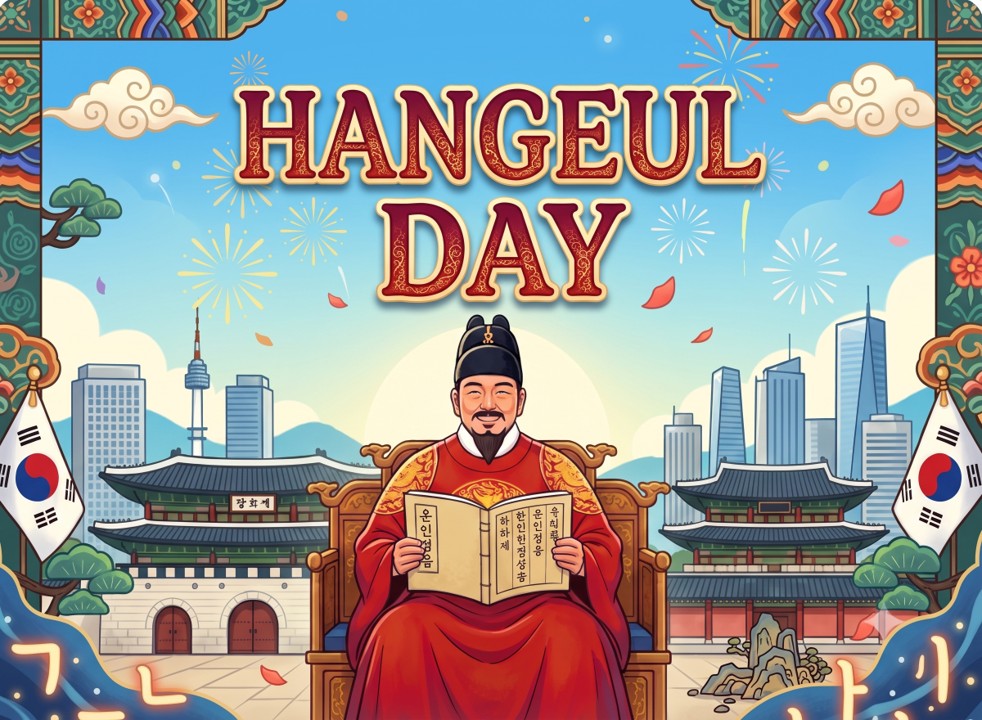
The date: August 15, 1945 — the day Korea was freed from 35 years of Japanese colonial rule at the end of World War II. It's a national holiday, and one of the most emotionally significant days of the entire Korean year. In 2025, Korea marked the 80th anniversary (광복 80주년) — a milestone celebrated with concerts, drone shows, and nationwide events.
To understand why this day carries so much weight, you need a little of the history behind it.
📖 A Little History: The Colonial Period & March 1st
From 1910 to 1945, Korea was under Japanese colonial rule (일제강점기, ilje-gangjeom-gi). During those 35 years, Koreans lived under policies that suppressed Korean identity — at various points, people were pressured to adopt Japanese names, the Korean language was pushed out of schools, and cultural expression was heavily restricted.
The most iconic moment of resistance came on March 1, 1919, when Koreans across the country staged peaceful demonstrations declaring independence — the March First Movement (3·1운동, Sam-il undong). Hundreds of thousands took to the streets waving the Korean flag and chanting for freedom. It's now commemorated every year on its own holiday, 삼일절 (Samiljeol), on March 1.
One of the most remembered figures from that movement is Yu Gwan-sun (유관순), a 17-year-old student who helped lead peaceful demonstrations calling for Korea's independence, and was imprisoned for it. Even behind bars she kept crying out for independence — she led a large protest inside the prison on the first anniversary of the March First Movement — and she died in prison at just 18, from injuries caused by the torture she endured, refusing to give up her cause to the end. She's become a national symbol of youthful courage — and her story is still retold today, including in one of the films we'll get to below.
This is the backdrop. Liberation Day isn't just a "the war ended" holiday — it's the closing of a 35-year chapter of lost language, lost names, and hard-won resistance.
💭 Why Is Korea So Sensitive About Japan on This Day?
Here's the part that's genuinely hard to grasp from the outside — so let's be clear and even-handed about it.
It's not that Koreans are angry at Japan or Japanese people in daily life. Millions of Koreans travel to Japan, love Japanese food, anime, and music, and the two countries are close neighbors with deep cultural exchange. On an ordinary day, a photo in Tokyo or a Japanese song is completely unremarkable.
The sensitivity is about timing, not the country. On August 15 specifically — the one day set aside to remember colonial suffering and the people who resisted it — posting something Japan-related can feel, to many Koreans, like celebrating a birthday at a funeral. It's not seen as pro-Japan; it's seen as tone-deaf to the moment. That's why the apologies so often use the same phrase — 역사의식 (yeoksa-uisik), "historical awareness." The criticism is rarely "you did something evil." It's "you weren't paying attention to what today means."
At its heart, this carefulness comes from respect. Liberation Day exists because countless independence fighters — people like Yu Gwan-sun — stood up to the colonial regime and paid for it with imprisonment, torture, and their lives. On the one day set aside to honor that sacrifice, Koreans feel it deserves the room's full attention. That's the real root of the sensitivity: not resentment toward Japan today, but reverence for the people who suffered to win Korea's freedom.
🚩 Why the Wound Still Feels Open — and What Foreign Fans Miss
Part of why this history still feels raw is that, to many Koreans, some of it feels unresolved. Issues like the women forced into sexual slavery by the Japanese military (known as "comfort women") are still the subject of ongoing dispute. Many Koreans compare the aftermath to Germany, which teaches the details of Nazi crimes in its schools, makes Holocaust denial a punishable offense, and has built memorials across the country — and feel that Japan's reckoning with its own past hasn't gone as far. That sense of unfinished business is part of what makes days like Liberation Day feel especially sensitive.
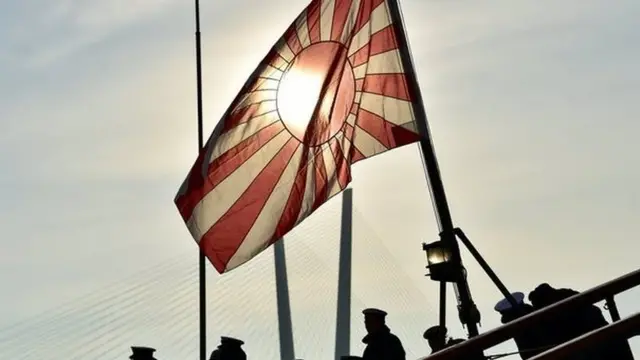
Nothing captures that gap better than one particular symbol: the Rising Sun Flag (욱일기, ukil-gi) — the flag with red rays beaming out from a central sun. Its basic design is old and is still used today — notably by Japan's Maritime Self-Defense Force — and in Japan it's often seen as a traditional emblem rather than a political one. But it was also flown by the Japanese Imperial military during the era of invasion and colonization, and that is the association it carries in the countries that lived through that period. To many Koreans (and others across East Asia), it evokes roughly the weight that a Nazi symbol carries in Europe — a reminder of wartime aggression and colonial rule.
That gap in perception is exactly why it keeps sparking controversy: what reads as a neutral, even traditional design to one side reads as a painful wartime symbol to the other. It's the part international fans most often miss — to an outside eye it can just look like a sunburst graphic on a jacket, a poster, or a photo backdrop, so people are genuinely surprised when it sets off a serious backlash. And unlike the "timing" issue around ordinary Japan-related posts, this one isn't about the calendar — in Korea the symbol itself is considered off-limits year-round.
It's also worth knowing this applies to everyone in the public eye, not just idols. Actors, hosts, athletes, YouTubers, and influencers have all faced the same reaction for Japan-related content around August 15 or March 1. In Korea, being famous comes with an expectation to be mindful on days that matter to the whole country — similar to how celebrities are also expected to stay politically neutral.
And the expectation cuts both ways. Just as a careless post draws criticism, showing genuine historical awareness earns real admiration — something that surprises a lot of international fans. When a celebrity passes the 한국사능력검정시험 (Korean History Proficiency Test), a real official history exam, it frequently makes the news. NCT's Doyoung, for example, proudly shared his exam certificate with fans on Instagram after passing — and even appeared on TV studying to level up his score, becoming known as an idol who's genuinely passionate about Korean history. Donating to independence-fighter foundations, visiting historical sites, or posting a respectful message on August 15 all earn the same kind of goodwill. Respect for this history isn't just expected — it's actively rewarded.
🎆 The Other Side of August 15: A Nationwide Celebration
Liberation Day isn't only solemn — it's also a huge, joyful national celebration, and K-pop is right at the center of it. For the 80th anniversary in 2025, Seoul threw big free concerts on the eve of the holiday, where famous K-pop groups like TOMORROW X TOGETHER and fromis_9 performed alongside a lineup of top artists — with PSY taking one of the celebration stages, and drone shows lighting up the night sky with the faces of independence heroes.
So on the very same weekend that historical awareness is under a microscope, idols are also proudly performing to celebrate liberation. The two things aren't in conflict — they're two sides of the same coin: remember the past, celebrate the freedom.
🎬 Korean Films That Bring This History to Life
Want to actually feel what August 15 is about? Korea has produced a whole wave of acclaimed, hugely popular films set during the colonial period — some of the biggest box-office hits in the country's history. They're the best way to understand the emotion behind the holiday:
- 🎬 Assassination (암살, 2015) — a stylish action-thriller about independence fighters plotting to take down colonial targets in 1930s Seoul and Shanghai. A massive blockbuster (over 12.7 million admissions — one of Korea's all-time biggest hits) with a star-studded cast.
- 🎬 The Age of Shadows (밀정, 2016) — a tense spy thriller about the resistance and the double agents caught between sides in the 1920s. Directed by Kim Jee-woon, starring Song Kang-ho.
- 🎬 Dongju: The Portrait of a Poet (동주, 2016) — a quiet, moving black-and-white film about beloved poet Yun Dong-ju, who wrote in Korean during an era when the language was suppressed.
- 🎬 Anarchist from Colony (박열, 2017) — the true, surprisingly witty story of independence activist Park Yeol and his defiant courtroom battle in Japan.
- 🎬 A Resistance (항거: 유관순 이야기, 2019) — the story of Yu Gwan-sun and the women imprisoned with her in Seodaemun Prison's Cell 8, and how they kept resisting from inside a tiny cell. It's on Netflix, and it's the single most direct way to understand what this day honors.
🎵 And if the film moves you, listen to "8호 감방의 노래" (The Song of Cell No. 8) — a hauntingly beautiful song tied to that same prison-cell resistance.
Watch one of these, and the next time you see an idol post a heartfelt Liberation Day message, you'll understand exactly what they're honoring.
📝 Korean Vocabulary for Liberation Day
| Korean | Romanization | Meaning |
|---|---|---|
| 광복절 | gwang-bok-jeol | Liberation Day (Aug 15) |
| 일제강점기 | il-je-gang-jeom-gi | The Japanese colonial period (1910–1945) |
| 삼일절 | sam-il-jeol | March 1st Movement holiday |
| 역사의식 | yeok-sa-ui-sik | Historical awareness |
| 독립운동 | dong-nip-un-dong | Independence movement |
Sample sentence:
광복절은 한국이 독립을 되찾은 날이에요.
(gwang-bok-jeo-reun han-gu-gi dong-ni-beul doe-cha-jeun na-ri-e-yo.)
"Liberation Day is the day Korea regained its independence."
❓ Quick Recap: The Whole Thing in 4 Questions
If you take just one thing from this post, let it be this — here's everything above, boiled down to four quick answers:
Why do K-pop idols apologize on August 15? Because August 15 is Korea's Liberation Day (Gwangbokjeol), the day Korea was freed from Japanese colonial rule in 1945. On this specific day, posting Japan-related content (a photo taken in Japan, Japanese lyrics, etc.) is seen as tone-deaf to a solemn national moment — so idols often delete the post and apologize for a "lack of historical awareness." It's about timing and sensitivity, not hostility toward Japan.
What is Gwangbokjeol / Korean Independence Day? 광복절 (Gwangbokjeol) means "the day the light returned." It falls on August 15 and marks Korea's 1945 liberation from 35 years of Japanese colonial rule (1910–1945). It's one of Korea's most important national holidays.
What is the Rising Sun Flag controversy? The Rising Sun Flag (욱일기) — red rays radiating from a sun — was used by the Japanese Imperial military. In Korea and much of East Asia it's viewed roughly the way a Nazi symbol is viewed in Europe: a symbol of wartime aggression and colonial rule. So when it appears on clothing, posters, or backdrops, it can spark serious backlash — and unlike ordinary Japan-related posts, it's considered off-limits year-round, not just on August 15.
Why is Korea sensitive about Japan? It stems from the 1910–1945 colonial period, when Korean identity, language, and names were suppressed. It's not about everyday hostility — Koreans travel to Japan and enjoy Japanese culture freely — but historical dates like Liberation Day (August 15) and the March First Movement (March 1) carry deep memory, and public figures are expected to be mindful of them.
🌏 What This Tells You About Korea
The "idol apology" cycle looks confusing from the outside, but it comes from something quite moving: a country where a date on the calendar still carries the memory of lost language, lost names, and the teenagers and prisoners who resisted anyway.
It's not about disliking Japan. It's about one day a year when Korea asks everyone — idols included — to simply pause and remember. And on that same day, Koreans fill stadiums, launch drones, and sing songs that were first sung in prison cells, celebrating that the light did, in fact, return.
Understanding that is understanding something real about Korea — the kind of thing you only catch once someone explains the history behind it.
Want to understand Korea beyond the headlines? At Seoul X On, our online Korean lessons go beyond grammar — we explore the history, cultural codes, and unwritten rules that shape how Koreans see the world. Try a free trial lesson and start understanding Korea the way locals do.